



Your Strategic Partner for
Unlocking China's Sourcing Potential
Beyond Chinese Commodity Traders: How to Find & Vet Reliable Chinese Manufacturers Directly?
In the Chinese market, you come across a variety of trading options and suppliers. Not all suppliers are necessarily the manufacturers. Some are intermediaries who take margins for connecting manufacturers and factories.
Instead of contacting third-party suppliers, you should connect directly with manufacturers to get more profitable products and customization features.
So, how do you verify and test the Chinese manufacturers? Today, we will review the steps and discuss options to confirm your deals. Let’s dive into how to connect directly with genuine Chinese factories.
Contents
hide
Why does Going Direct to Chinese Manufacturers Matter?
Sourcing directly from Chinese manufacturers cuts out middleman markups and boosts your profit margins.
There are a few limitations associated with it.
- When working through traders, you lack pricing transparency because you’re not dealing directly with the factory.
- Quality control problems are far more common when using traders or sourcing agents than when dealing directly with factories.
- Customization is less likely to be available with trading agents and suppliers than with direct suppliers.
Working with Chinese manufacturers offers the following benefits.
- The risk of scams is pretty low, since you are dealing directly with the factories.
- Prices are more affordable as you cut out the middleman.
Step 1: Identify Real Manufacturers—Not Traders, Agents, or Shell Companies
The first step is spotting genuine manufacturers so you deal directly with factories, not middlemen.
How to read platform signals (Alibaba, 1688, Made-in-China)
You should compare the factory with a trader and spot out as follows:
- Factory vs. trader indicators. Usually, a factory has a limited number of products and categories. In contrast, trading companies typically offer a broad range of unrelated products across many categories.
- Use the verification tools and checks below to confirm whether a supplier is a true factory.
Use China’s own tools to confirm factory status.
China has a well-defined recognition system to differentiate third parties from the factories.
- The National Enterprise Credit Information System (NECIS) provides detailed legal information on suppliers.
- QCC/天眼查 (TianYanCha) company profile checks can help look into registered capital, business scope, shareholders, license type, and number of employees.
Product-category shortcuts to find manufacturers
Suppliers focusing on a narrow product range or single category are far more likely to be actual manufacturers. Look for:
- HS code-based search tactics mean the exporter is most likely a factory shipping products.
- Searching in Chinese on platforms like 1688 often surfaces real factories, which tend to have less polished English listings.
When to skip platforms entirely and source directly
There are a few more ways to skip platforms and hunt down the factories directly. Here are these.
- Baidu search results list factories, unlike other sites.
- Chinese trade shows (Canton Fair, CIFF, CPHI, etc.) can help you decide whether to talk to a factory.
- Industrial clusters of manufacturers ship products globally to businesses and buyers.
Step 2: Validate the Manufacturer Before Talking to Them
Run a quick background check before reaching out—it builds confidence and weeds out risky suppliers.
Anatomy of a background check
When digging into a manufacturer’s background and history, consider the following:
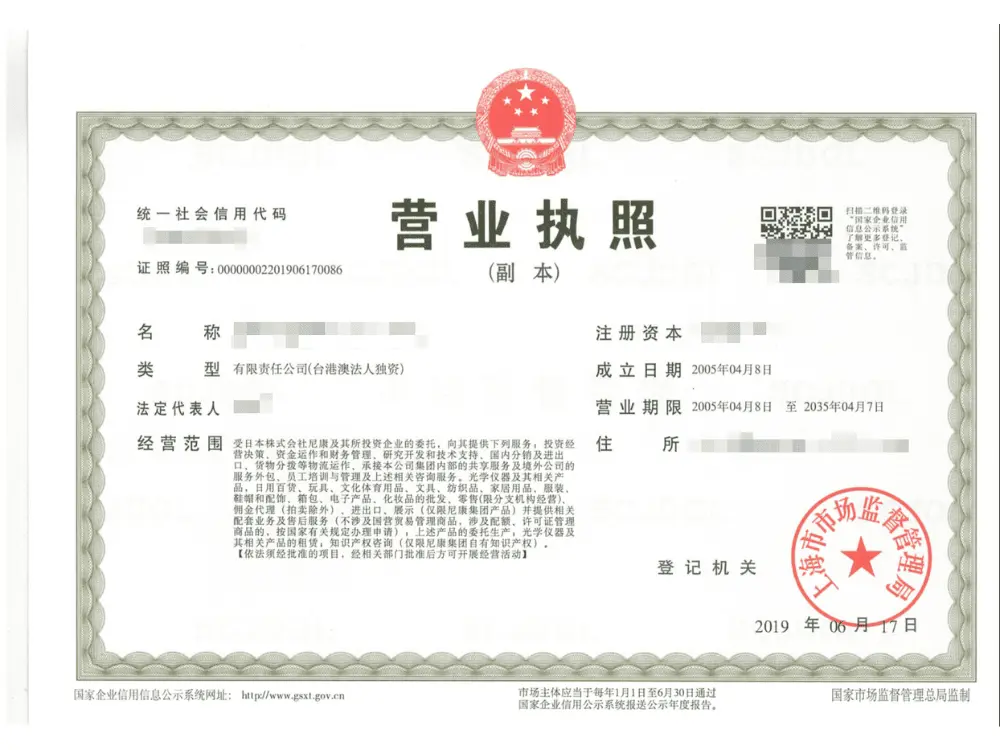
- Business license validation. There must be an authentic business license with comprehensive verification from the Chinese government.
- Location matching to real industrial zones. Registered addresses must align with industrial sectors, not residential buildings.
- Production capability indicators. You should check the factory for machines, headcount, and export shares.
- Ownership red flags. One final step is to avoid the shell companies, rapid name changes, and suspended licenses.
Social proof & legitimacy checks
It is a good practice to find the company’s social media handles and learn about customer reviews.
- B2B reviews. Don’t just skim the glowing reviews—pay close attention to negative ones too.
- Export history through customs data tools, such as ImportYeti and Panjiva, can help verify the manufacturer and export consistency.
- Check Certifications. Verify all credentials from the authorities, as they may be produced falsely.
Step 3: Contacting Factories the Right Way (to Filter 80% of Traders Automatically)
Once you have checked the manufacturer’s background, the next step is to talk to them and check their professionalism.
Email & message templates designed to flesh out traders
Consider email and message templates and ask the specific questions as discussed below.
- Questions only a real factory can answer. Inquire about the factory production capacity, machines, tooling ownership, and quality control processes. Only a real factory can answer these questions.
- Technical spec request tactics, such as feedback on tolerances, materials, and feasibility, can filter out the traders and inefficient factories.
- Ask for factory photos, an equipment list, and a production flowchart to build credibility.
How fast, how detailed, and how confidently factories respond
Factories often explain all aspects of production and quality control in clear terms. They discuss the prices and clarify the shipping process, whether you or the factory handles it.
While a trader or a low-quality factory doesn’t respond quickly, they also fail to answer important questions about factories and don’t provide factory images.
Step 4: Vetting Factory Capabilities (Before You Spend a Dollar)
A factory can be versatile in producing your products, but you should check the quality control and test the products.
To test a factory, we have added a few tips.
Requesting the right documents
First, gather all necessary documentation to verify a factory’s authenticity. For example, a factory should have the following documents.
- Business license. It highlights the government’s authentic business allowance.
- ISO certifications ensure products meet international standards and comply with all requirements.
- Export certificates. For international shipping, export certificates keep you safe.
- Product test reports. Product testing reports confirm the high-end inventory.
Photo & video verification
You should go one mile ahead for the production systems. Inquire about the following questions:
- Ask the factory to record a live video of the production process.
- Verify the factory photos and eliminate fake ones.
Demand a small-batch simulation.
Before you make a bulk deal, test the products and get the product samples. Inquire about the expected time to create the sample. Negotiate or discuss MOQs carefully—real factories are often more flexible than traders claim.
Step 5: On-Site and Third-Party Audits (What You Must Check)
There are two options for the inspections. If you are good at quality assessments, inspect the products manually. Another option is to use third-party services.
When to use third-party inspectors
Not all cases are suitable for the third-party assessment. You should choose them in the following cases.
- Pre-factory audit.
- Pre-shipment inspection.
- Social compliance audit
What an on-site audit must include
The on-site audit can include the following tests and checks.
- Raw material flow
- QC checkpoints
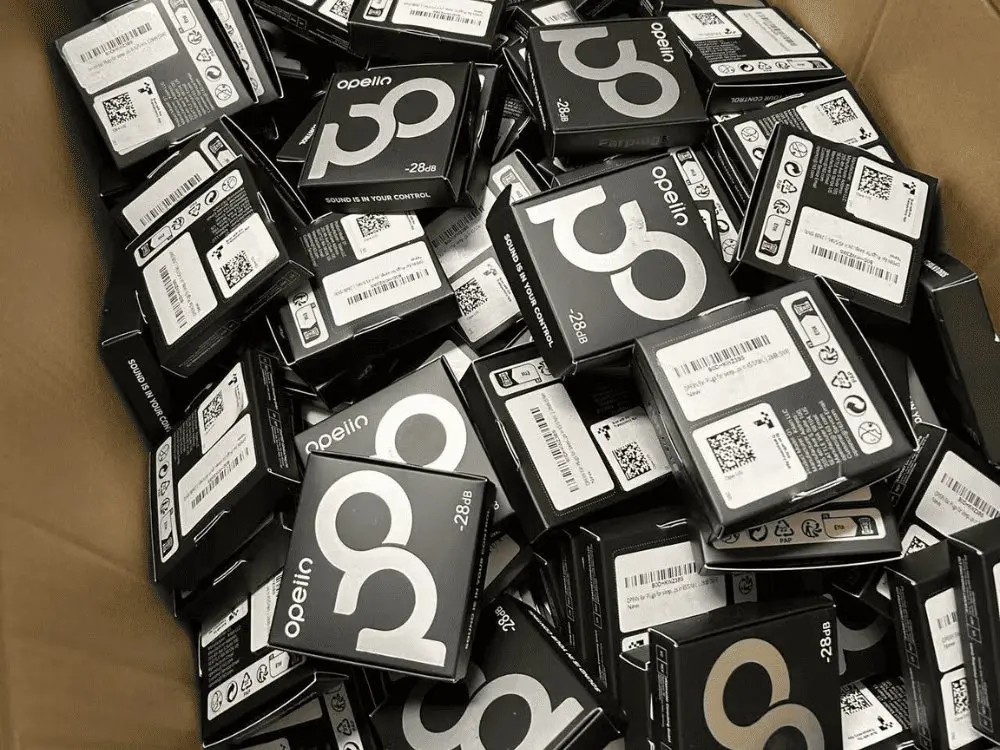
- Packaging and storage
- Worker safety & environment
Step 6: Pricing Verification & Negotiation with Factories
Before you make a long-term deal with a factory, know the prices and negotiate them better.
Steps to identify a realistic factory price
Check the real-time factory prices using the following tactics.
- Calculate the overall production costs, including shipping costs.
- Set competitive rates by comparing multiple suppliers and their costs.
- Remember, extremely low prices can lead to lower-quality products.
Negotiation strategy that works in China
You should negotiate the prices and lead times to get your products fast. Follow the given negotiation strategy.
- What are the product lead times with overall product costs?
- Learn about long-term prices and calculate profit margins.
- Avoid sudden price increases by negotiating effectively and setting contract terms.
Step 7: Protecting Yourself Legally & Financially
Finally, you should protect yourself at any cost. Set up legal terms and conditions.
Contracts you MUST use
Be safe by following these contracts.
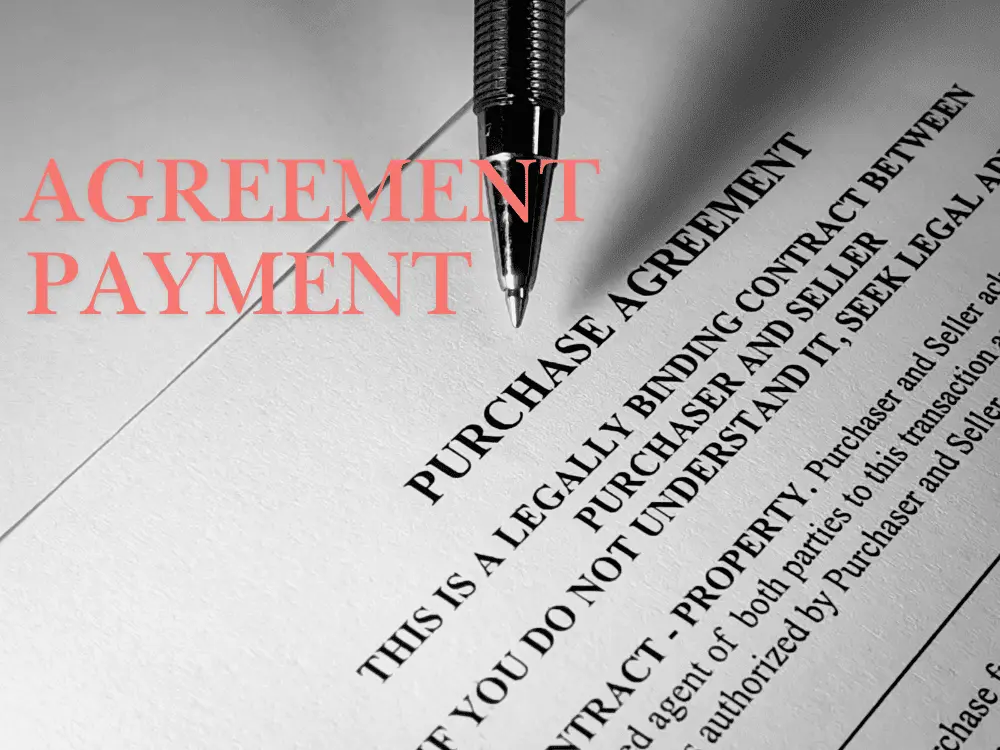
- Set up a purchase agreement to avoid issues later.
- NNN Agreement is like an NDA and protects you from legal issues.
- A tooling ownership agreement is necessary if you have purchased custom tooling.
Payment structures that safeguard your money
Don’t pay 100% to the supplier. Instead, use options like Escrow payments where your money is safe.
Use a letter of credit for bulk orders. Compared the RMB conversion to USD and paid in the more affordable currency.
Step 8: Building a Long-Term Relationship with the Factory
A long-term relationship with the factory opens the door to more discounts and improved quality. The loyalty status is also earned to improve product integrity.
How to become a valued customer (even without massive order volumes)
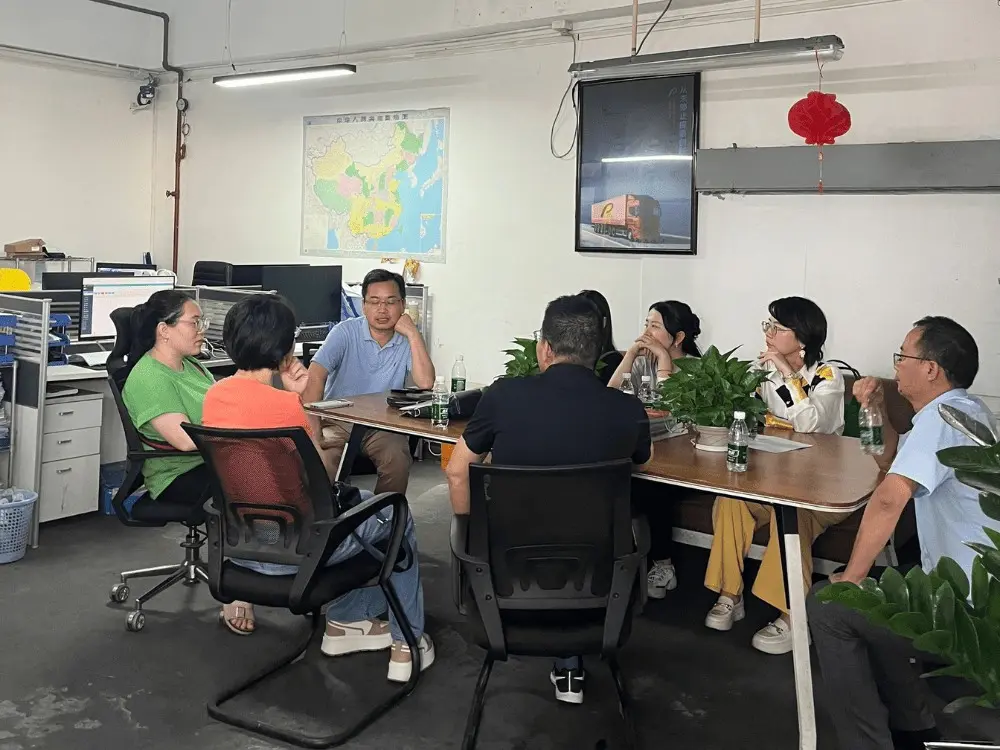
You will become a long-term deal for the factory. The factory can treat you as a special customer.
- Proper Communication about products and customization can help effectively reach the required inventory.
- Demonstrating reliable, consistent orders (without overcommitting financially) earns their trust and priority treatment.
How to future-proof your supply chain
Future-proof your supply chain by planning ahead and eliminating potential bottlenecks. Here are a few tips.
- Backup factory strategy. Instead of relying on a single factory, contact two or three. A fair competition will give better prices and meet your demands.
- An annual audit can help prevent low-quality products from slipping through.
Conclusion: A Repeatable System to Find & Vet Factories
A direct factory connection is a typical approach, but you have to do more than that. For example, test the factory, check their products, and visit their production system. You should settle on profitable deals with quality products to avoid customer returns and complaints.
Do you want to contact Chinese manufacturers directly? If you’d rather skip the legwork, services like JustChinait connect you with pre-vetted factories and handle verification for you.
We have a list of quality factories and can help you deal with the manufacturers directly. On your behalf, we test the products, verify the manufacturer’s status, and work only with reliable manufacturers. Contact us to get your customized demands right away!